Fitz Enz's 1990 work on human resource metrics revolutionized the analytics landscape in human resource management. His groundbreaking insights provided a framework for understanding and quantifying the value of human capital within organizations. This article delves into the significant contributions of Fitz Enz, exploring the methodologies and impacts of his findings on modern HR practices.
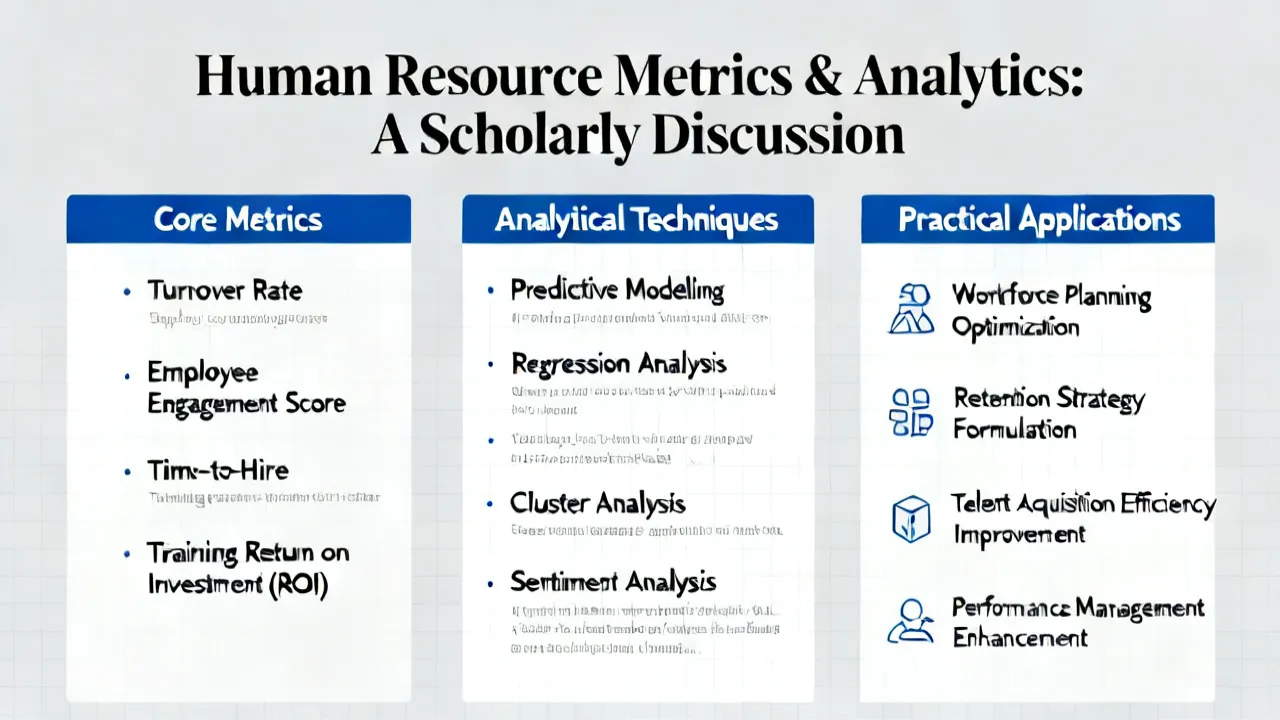
Human resource management has undergone a significant transformation since the late 20th century, largely influenced by innovational thought leaders who introduced new paradigms for evaluating workforce efficiency. Among these pioneers was Fitz Enz, whose 1990 publication became a cornerstone in the realm of human resource metrics. His work illuminated the necessity for robust data analytics in assessing and optimizing employee performance, thus redefining how organizations perceive human capital as a critical asset.
In 1990, Jac Fitz Enz published his seminal work on human resource metrics, which laid a foundational basis for HR analytics. Fitz Enz emphasized the importance of measuring and understanding the multifaceted aspects of human resources through data-driven approaches. His methodologies facilitated the transformation of HR from an administrative function to a strategic business partner. This change required organizations to develop sophisticated metrics to justify their investments in human capital. One could argue that Fitz Enz's impact is felt today more than ever as organizations strive for efficiency in a rapidly changing work environment. His early recognition of the potential for data analysis in HR has proved invaluable in an era where every decision made must be supported by solid evidence.
Fitz Enz's methodologies revolved around the quantification of HR activities and their correlation to business outcomes. The following methodologies are still prevalent in today's HR analytics:
| Methodology | Description |
|---|---|
| Human Capital ROI | Measures the return on investments made in employee training and development through quantifiable performance metrics. |
| Workforce Segmentation | Divides the workforce into distinct segments based on various criteria (e.g., role, performance level) to tailor strategies for each group, thus enhancing overall productivity and satisfaction. |
| Predictive Analytics | Utilizes historical data to anticipate future workforce trends and needs, allowing organizations to proactively address potential issues such as turnover or skill gaps before they escalate. |
Since the introduction of Fitz Enz’s methodologies, the field of HR analytics has seen significant advancements. Modern technology has further enhanced the depth and accuracy of workforce data analysis, transforming how organizations manage and analyze their human resources.
HR metrics are critical for understanding the effectiveness and impact of HR activities on organizational performance, allowing for data-driven decision-making. They provide insights that help HR professionals craft more effective strategies and manage talent more efficiently.
Fitz Enz provided a framework for quantifying human capital, influencing a shift towards strategic HR management and the widespread adoption of analytics. His work helped to elevate the role of HR from a support function to a strategic partner within organizations.
Modern HR analytics often employ cloud-based systems, AI algorithms, and various software tools that facilitate real-time data processing and predictive analytics. Platforms such as Workday, SAP SuccessFactors, and BambooHR are examples of tools that integrate these advanced analytical capabilities.
The work of Fitz Enz in 1990 was a pivotal moment for HR analytics, establishing a new era where data and human resource management intersect. His vision opened doors for organizations to leverage quantitative data in meaningful ways, fostering a culture of continuous improvement within the workforce. Today, the principles he introduced continue to guide organizations striving to optimize their workforce through evidence-based strategies. As technology continues to evolve, the potential for advanced analytical practices in HR is limitless, promising a future where decisions are increasingly informed by data-driven insights. The integration of new technologies such as machine learning and big data will further amplify the capabilities of HR analytics, thus ensuring that organizations remain competitive in an ever-changing business landscape.
Looking forward, the landscape of HR analytics will likely be characterized by a continuous evolution in both methodologies and technologies. As the need for agile and adaptable workplaces becomes increasingly pressing, HR analytics will serve as a critical tool for enabling organizations to stay ahead of trends and adapt accordingly. Here are some potential future directions in HR analytics:
To illustrate the impact of HR analytics, consider a few case studies of organizations that have successfully adopted these methodologies to enhance their HR functions:
Google is renowned for its data-driven approach across all business areas, including HR. The company employs sophisticated analytics to assess employee performance, engagement, and satisfaction. By analyzing data from employee surveys and performance reviews, Google has implemented initiatives that address specific employee concerns, boost morale, and improve employee retention. The company's emphasis on data has allowed them to remain a leader in employee satisfaction and innovation.
IBM has invested heavily in HR analytics, utilizing predictive analytics to automate certain HR functions and enhance decision-making. The organization employs analytics to identify retention risks by analyzing historical data on employee turnover. This proactive approach allows IBM to take targeted actions to retain high-potential employees, thus reducing turnover costs significantly.
Deloitte utilizes HR analytics to refine its talent management strategies and improve employee engagement. By segmenting its workforce and understanding the unique needs of different groups, Deloitte has tailored its programs to fit employee preferences. The result has been higher engagement scores and improved performance metrics across the board.
The rise of HR analytics has significant implications for HR professionals. Those in the field must evolve their skill sets to stay relevant in a data-driven environment. This evolution includes:
The journey of HR analytics continues as technology advances and the business landscape shifts. The insights derived from HR analytics play a vital role in navigating these changes, helping organizations to create more efficient, effective, and employee-centric workplaces. As businesses invest in evolving data capabilities, the ongoing commitment to human capital optimization will be more crucial than ever. The legacy of Fitz Enz's work, stepping from traditional HR practices into the realm of analytics, will be foundational for the next generation of HR leaders who are poised to embrace and drive this transformational journey toward data-informed decision-making in human resources.






This guide examines Lorella Lima by defining what the name signals in contemporary discourse and how readers can evaluate related content responsibly. Objectively, “Lorella Lima” functions as a distinctive identifier used across social profiles, portfolios, and editorial references. The article focuses on quality signals, supplier transparency patterns, and practical due diligence for informed decisions.

This guide explains how to evaluate Lorella Lima in the context of service quality, credibility, and practical decision-making. It provides objective background on the name’s relevance, common evaluation criteria in the industry, and how to compare options responsibly. You’ll also find a conditions checklist, a step-by-step approach, and FAQs to support clear next steps.
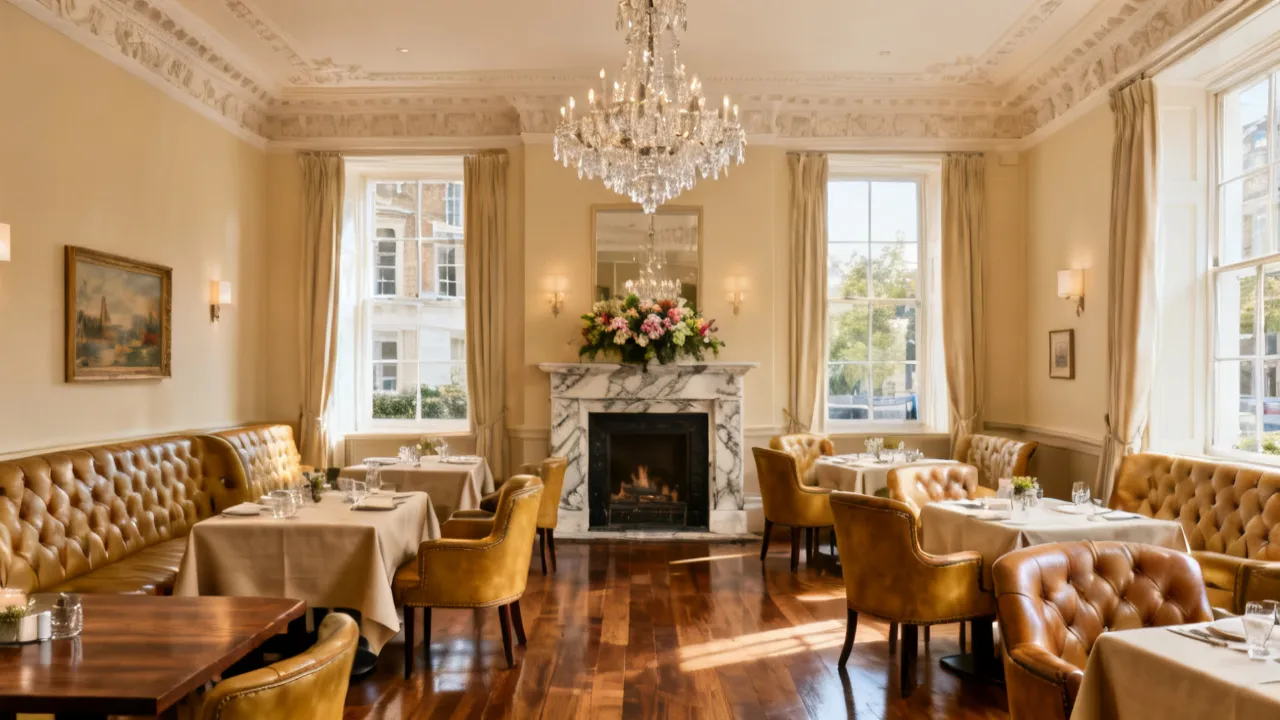
Sensu Marylebone stands as a beacon of refined dining situated in the vibrant heart of London's Marylebone. Known for its exquisite fusion of modern culinary practices with traditional techniques, this restaurant provides a unique gastronomic experience. Located amid the historic and bustling streets of Marylebone, Sensu charms locals and visitors alike with its elegant atmosphere and dedicated service, ensuring a memorable dining adventure.

Sensu Marylebone is a captivating destination renowned for its vibrant cultural scene and exquisite culinary offerings. Nestled in a historically rich area nearby, it is a picturesque locality that combines old-world charm with modern vibrancy, making it a highly sought-after spot for both locals and tourists. Sensu Marylebone offers myriad experiences from exploring architectural marvels to savoring fine dining establishments.

This article delves into the culinary and cultural allure of Sensu Marylebone, a distinguished dining venue renowned for its sophisticated ambiance and innovative menu. Sensu Marylebone, located in a prime area of London, is a testament to the blend of traditional and modern culinary arts, offering a rich gastronomic journey to its patrons. We explore its offerings, the genius behind its menu, and its contribution to the local dining scene.

Sensu Marylebone offers a unique blend of cultural heritage and modern lifestyle in the heart of London. This district, famous for its distinct Victorian architecture and vibrant community life, attracts both locals and tourists. From aromatic cafes to boutique shops, Sensu Marylebone promises an authentic local experience with a touch of elegance and historical connection.

Explore the vibrant charm of Sensu Marylebone, a unique and stylish locality in London known for its boutique stores, exquisite dining, and cultural richness. This guide delves into what makes this area so appealing, its offerings, and how it stands as a distinguished spot in London's urban tapestry, providing both locals and travelers with myriad experiences.

Located in the vibrant heart of nearby Marylebone, Sensu offers a sophisticated mix of cultural influences in art, dining, and entertainment. Marylebone is known for its charming streets, boutique shops, and historical landmarks, making it an ideal location for contemporary gatherings. Sensu Marylebone stands out as a versatile venue catering to an eclectic audience, blending tradition with modernity.