Digital Dentistry in Orthodontics is reshaping how braces, aligners, and implant-supported care are planned and delivered—often with greater precision. This guide explains the clinical value of digital workflows, how low-cost dental implant options are evaluated in English-, Spanish-, and Portuguese-speaking markets, and what patients typically need to verify before treatment planning.
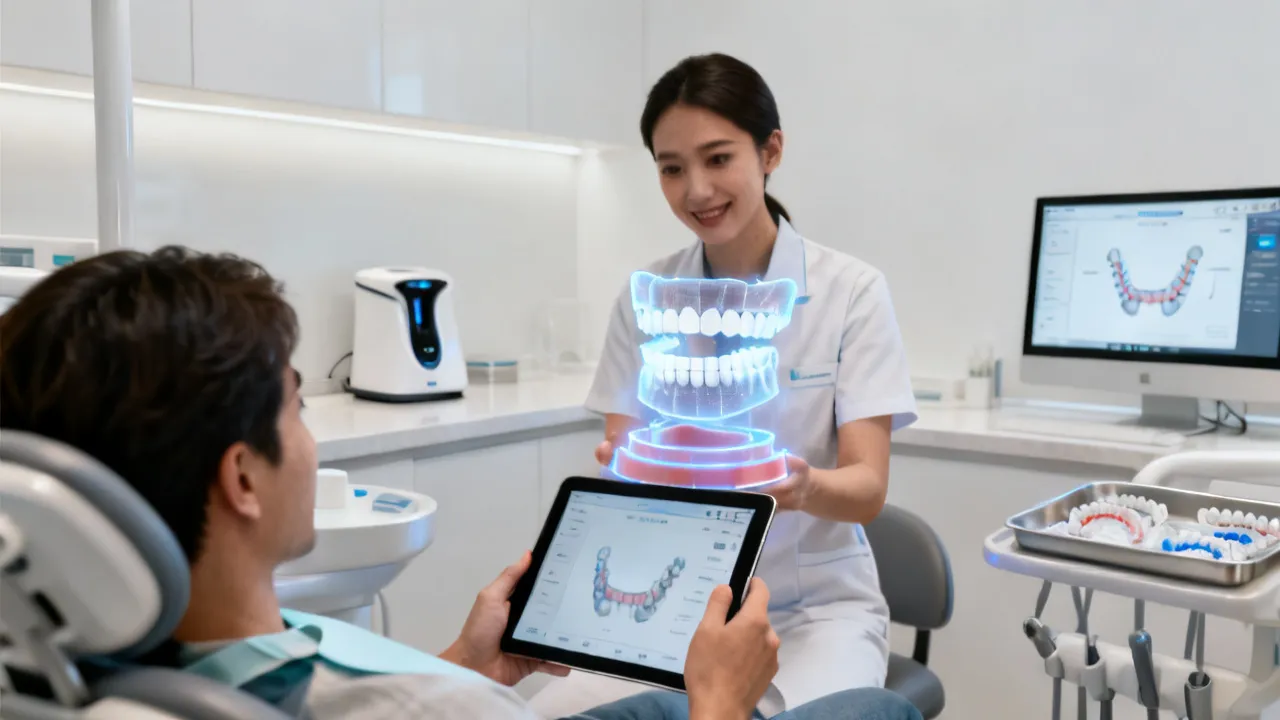
Digital Dentistry in Orthodontics has moved orthodontic care from primarily manual measurements and paper-based documentation toward computer-assisted diagnosis, treatment simulation, and more precise record-keeping. For patients considering comprehensive orthodontic treatment—particularly when tooth loss, missing teeth, or implant-supported rehabilitation are part of the plan—digital workflows can improve communication between clinicians, streamline record exchange, and support more predictable planning. In other words, “digital” can reduce the chance that important clinical details get lost between appointments, between providers, or between orthodontic and restorative/implant phases.
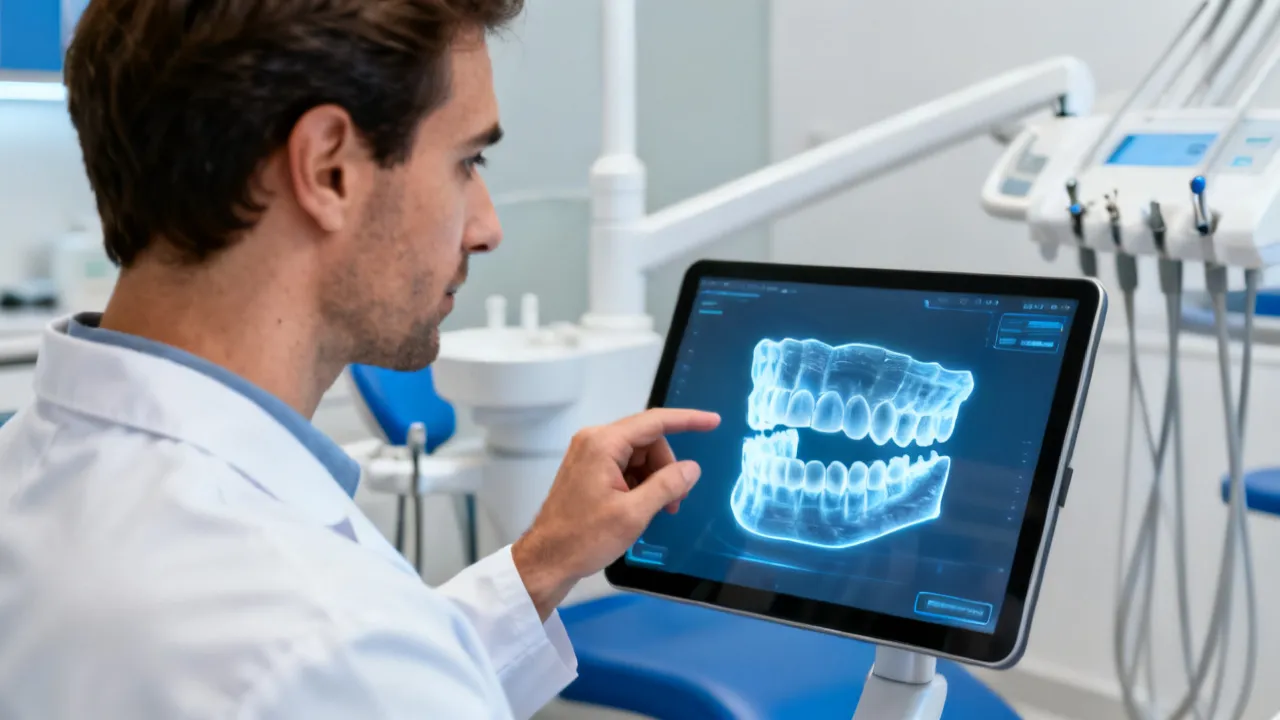
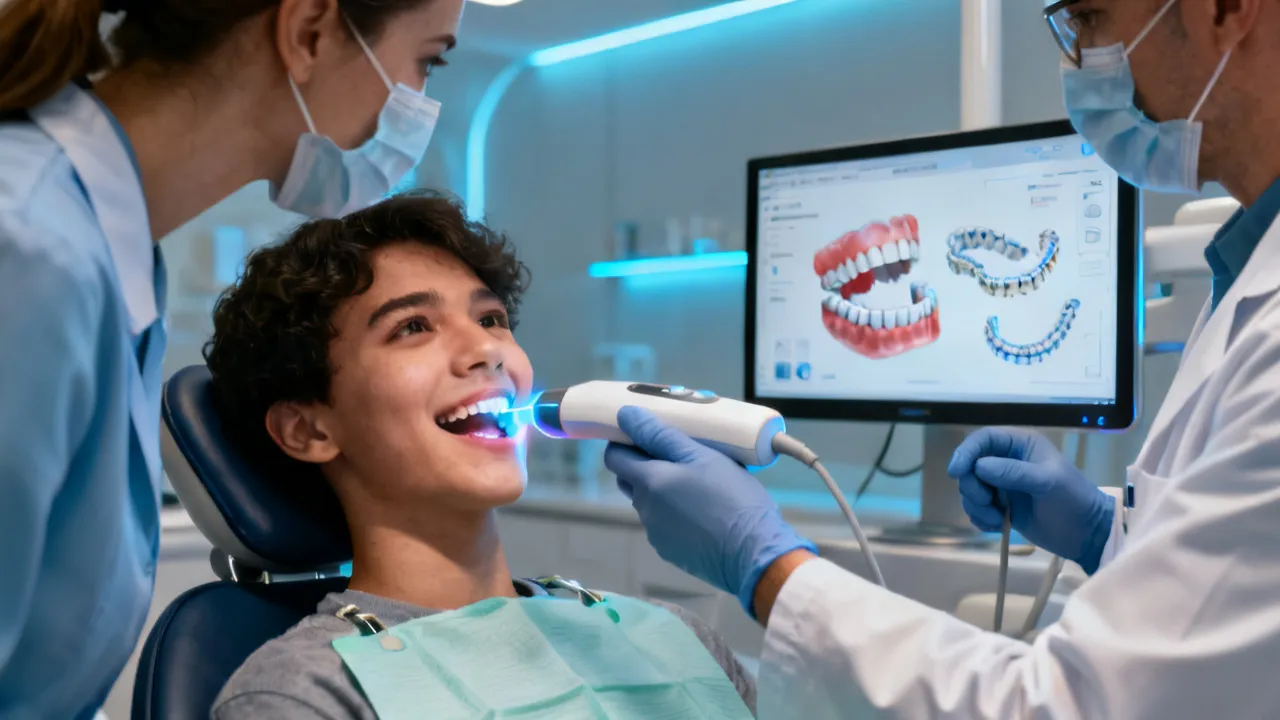
From an expert perspective, “digital” is not a marketing adjective; it describes a chain of steps: data capture (often with intraoral scanners), imaging and mapping, virtual setup, treatment simulation, and—when needed—surgical planning for implant placement. The key value is consistency of records and traceability of decisions, which can matter when orthodontic treatment interfaces with restorative or implant care. It is not simply about taking pretty 3D images; it is about turning complex clinical information into a coherent timeline that multiple teams can understand and act on.
When orthodontics and implants intersect, the orthodontic problem is rarely just “misaligned teeth.” It is commonly a three-dimensional issue involving space creation or space closure, alveolar bone volume, soft-tissue contours, eruption pathways, occlusal relationships, and long-term prosthetic demands. Digital tools allow clinicians to visualize and coordinate these factors more effectively than conventional, purely two-dimensional methods.
In orthodontics, digital dentistry typically includes:
Even in clinics that do not fully digitize every step, partial digitization can still improve record quality and coordination—provided clinicians interpret the data correctly and confirm clinical findings. Importantly, digital orthodontics does not replace clinical examination. Instead, it complements it. The best results usually come when digital planning is integrated into a thoughtful, evidence-based clinical process that includes palpation, periodontal assessment, occlusal evaluation, bite registration when needed, and careful review of patient-specific constraints.
To understand what digital dentistry contributes, it helps to consider what traditional workflows often do well and what they struggle with. Conventional impressions can be effective but are subject to distortion, discomfort, and workflow limitations. Panoramic and cephalometric imaging are useful for many orthodontic decisions but are inherently limited in describing three-dimensional spatial relationships—especially when dental implants are contemplated. Digital tools reduce some of those limitations by enabling better visualization of tooth position, root proximity, and possible implant trajectories.
However, digital tools are only as accurate as the inputs and the clinical judgment behind them. Poor scanning technique, incomplete records, incorrect alignment of datasets, or failure to verify planning against real-world anatomy can lead to errors. A mature digital workflow includes quality checks—such as confirming scan completeness, re-scanning when necessary, verifying occlusion records, and cross-checking planned tooth movements against clinical constraints like periodontal support, root morphology, and patient compliance.
Patients sometimes assume orthodontics is separate from dental implants. In practice, missing teeth can alter bite relationships, change the distribution of forces, and affect the eruption pathway of adjacent teeth. Likewise, orthodontic mechanics can influence implant positioning needs. For example, if a tooth has been missing for years, nearby teeth can drift into the space and the alveolar bone can remodel. Restoring that space later might require orthodontic movement, space management, or even augmentation procedures.
Digital planning helps clinicians evaluate:
This is why “digital” can be clinically important: it enables more coordinated sequencing between orthodontic alignment goals and prosthetic requirements. When orthodontic treatment is planned without regard to future implant position, clinicians can inadvertently create unfavorable conditions—such as inadequate mesiodistal or buccolingual space, insufficient keratinized tissue, poor root angulation of adjacent teeth, or an implant site that later requires more extensive surgical correction.
In many cases, “device choice” (aligners vs braces, extraction vs non-extraction, segmental approaches, or implant timing) should not be made in isolation. Instead, clinicians should consider the end goal: what should the patient’s dentition look like at the end of treatment, and what functional and esthetic demands will that final outcome impose?
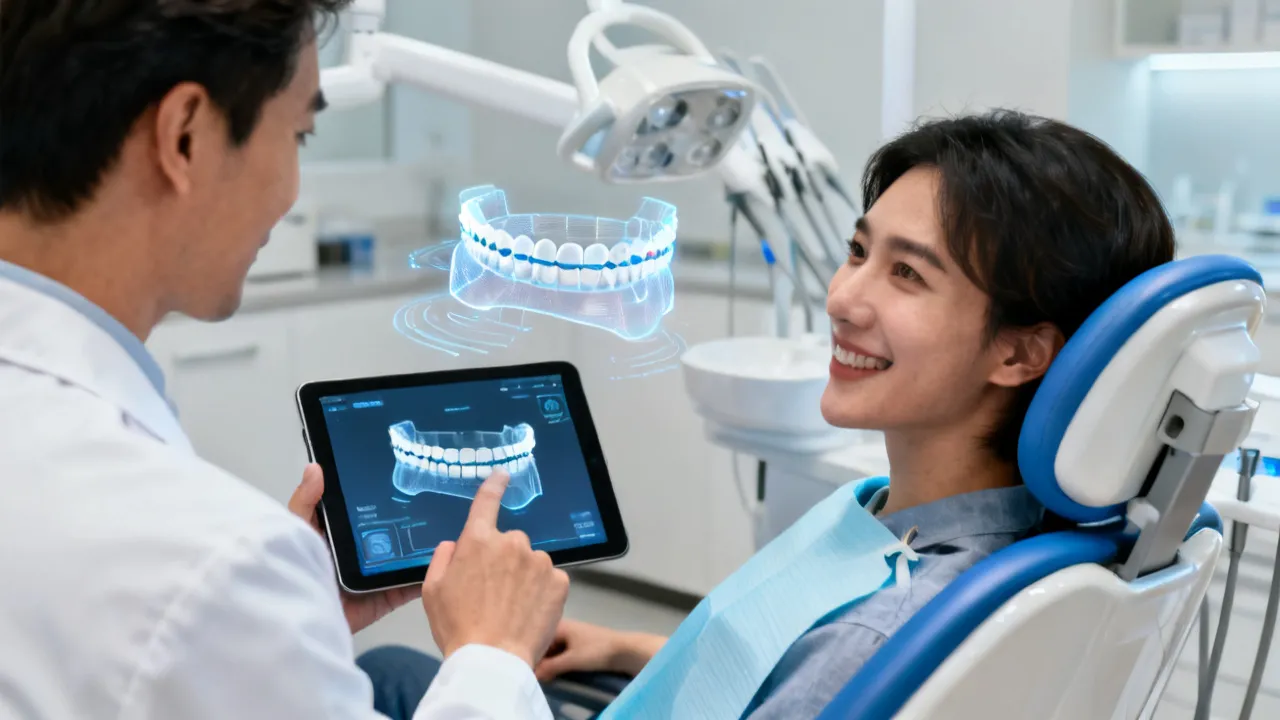
Digital workflows allow teams to simulate how teeth may move and where roots might end up. While simulations do not guarantee biological response, they provide a strong starting point for discussing feasibility. For implant planning, digital records can also help support the creation of surgical guides (in selected cases), reducing guesswork in implant angulation and positioning. This is particularly relevant when implant restoration must be aligned to a specific occlusal scheme and to the surrounding tooth anatomy.
For many patients, affordability is a major constraint. In English-speaking, Spanish-speaking, and Portuguese-speaking contexts, the term “low-cost dental implants” commonly appears in clinic marketing, dental tourism platforms, insurance guides, and implant-focused providers. However, implant costs vary widely based on surgical complexity, implant system choice, bone condition, imaging, surgeon expertise, and prosthetic design.
As an expert, I recommend assessing low-cost offers through a structured checklist rather than focusing on the headline price. The goal is to separate “lower cost” from “insufficient clinical information.” In practice, the cheapest option can sometimes be the most expensive if it leads to complications, remakes, poorly fitted prosthetics, or a need for additional procedures due to incomplete planning.
To evaluate value responsibly, patients should understand that an implant treatment package is not just the implant fixture. It is the entire pathway: diagnostics, surgical placement, peri-implant healing, abutment selection, prosthetic fabrication (crown/bridge), occlusal adjustment, maintenance, and ongoing monitoring of bone and soft tissue stability.
Digital dentistry can play a role here as well. A well-digitized planning workflow may reduce remakes, improve efficiency, and help clinicians anticipate prosthetic needs before surgery. While digitization does not automatically lower clinical cost, it can reduce avoidable inefficiencies—especially in orthodontic-implant coordination cases where errors can cascade into additional visits, additional imaging, or additional corrective procedures.
| Website focus area |
|---|
| Low-cost implant education and cost/benefit explanations |
| General dental services and appointment access (including implant-related care) |
| Dental tourism and cross-border cost comparisons with travel arrangement support |
| Insurance-plan guidance and coverage pathways that can reduce out-of-pocket implant costs |
| Spanish-language clinic information for implant services and orthodontics |
| Specialized mini dental implant clinic positioning for selected cases |
| Patient education on dental implants from an insurance/health information perspective |
| Regional dental clinic service listing in Portuguese with orthodontics and implants |
| Portuguese regional clinic service listing with prosthetics/implant technologies |
| Portuguese dental plan offerings (network access and emergency dental options) |
source: [www.dentalviews.com](https://dentalviews.com/low-cost-dental-implants/)
source: [www.atlanticdentalgrp.com](https://www.atlanticdentalgrp.com/)
source: [www.dentavacation.com](https://www.dentavacation.com/)
source: [rockvilledentalarts.com (ADHP info page)](https://rockvilledentalarts.com/es/)
source: [rockvilledentalarts.com/es](https://rockvilledentalarts.com/es/)
source: [unioncityminidentalimplants.com/es](https://unioncityminidentalimplants.com/es/)
source: [www.cigna.com/es-us](https://www.cigna.com/es-us/knowledge-center/guide-to-dental-implants)
source: [www.rubiodonto.com.br](https://www.rubiodonto.com.br/)
source: [odontologiavelasco.com.br](https://odontologiavelasco.com.br/)
source: [dentalvidas.com.br](https://dentalvidas.com.br/)
Note: The table intentionally focuses on what each site appears to provide (education, services, tourism, insurance guidance, or localized clinic information) rather than clinical claims.
Because many websites emphasize cost, it is helpful for patients to interpret content as a navigation tool—not as a substitute for an individualized clinical assessment. Even well-intentioned educational content may not capture the full spectrum of contraindications or case-specific factors that determine whether a “low-cost” approach is appropriate.
Below is a practical pathway designed to help patients approach affordability responsibly. While practices differ by country and clinic, the sequence of due diligence is broadly applicable. This step-by-step approach is especially important when orthodontics is involved, because implant positioning and tooth movement need to align with one another.
This step matters because the implant planning philosophy can determine the entire timeline. In some patients, orthodontics is used to create a more implant-friendly site—by moving adjacent teeth, managing occlusion, and shaping the space. In others, the implant is placed to support a restoration that will dictate tooth position after orthodontic adjustments. Digital planning can help either approach, but the key is clarity on the clinical philosophy from the outset.
For orthodontic-implant coordination, “space” is not only mesiodistal (left-to-right). It is also vertical (how much room exists for the crown), and transverse/buccolingual (how much thickness exists to support the restoration and soft tissue). Digital assessment can provide a clearer understanding of these dimensions, particularly when CBCT and 3D models are integrated.
Low-cost offers should still be transparent about diagnostics. A low fee without documented planning is a clinical red flag. If a clinic cannot explain what imaging was used and why, or if it cannot articulate how the restoration will be designed to match your occlusion and neighboring teeth, patients should be cautious.
It is also reasonable to ask whether a digital workflow is being used to enhance planning quality. If a clinic uses an intraoral scanner, patients may request details about how the scan will be matched with imaging and how errors will be checked. If a clinic relies on traditional impressions and panoramic imaging only, that can still be acceptable in some cases—but the justification should be case-based.
In implant dentistry, inadequate diagnostics can lead to preventable problems such as implant placement too close to anatomical structures (nerves, sinus, cortical plates), inadequate bone volume leading to grafting surprises, or prosthetic emergence profile issues that are difficult to correct after placement.
Ask for a breakdown of typical cost components:
This is especially important because “low-cost dental implants” may refer to the implant fixture cost, while prosthetics and surgical adjuncts may change the true total. Patients should request itemized estimates and clarify what is included versus what is “extra if needed.”
A common scenario in implant affordability is that the implant fixture price looks attractive, but the final cost rises due to multiple factors: additional grafting, sinus lifts, temporary prosthetics, anesthesia costs, or changes required when healing does not match expectations. An honest clinic will discuss potential add-ons upfront and explain the criteria that determine whether those add-ons become necessary.
For orthodontic patients, it is also essential to include orthodontic-related costs if the implant restoration requires a particular tooth arrangement before or after surgery. Often, implant success can depend on tooth position and soft tissue conditions that orthodontics can modify. If a low-cost implant plan ignores orthodontic coordination, the patient may later need additional orthodontic work to achieve a favorable outcome.
When evaluating outcomes, patients should be cautious about “single image” or “before/after” examples without context. A responsible clinic can discuss patient selection, timeline, and what factors influenced success (bone density, smoking status, oral hygiene, implant system characteristics, prosthetic design, and maintenance adherence).
For low-cost programs, patients should still verify that core safety protocols are in place. Sterility, proper sequencing, and appropriate postoperative follow-up are non-negotiable. Cost reductions should not come at the expense of essential steps such as appropriate imaging review, surgical protocol adherence, and prosthetic fit verification.
In orthodontic-implant integration, clinicians also need coordination. Patients should ask whether the orthodontist and implant surgeon are communicating about timing. Digital records can support this coordination; for example, the team can share 3D models and planned tooth movements so that implant placement is planned with orthodontic movements in mind.
For some patients, dental tourism is chosen to reduce total spending, but continuity is the critical factor. If you pursue cross-border care, ensure you can receive follow-up evaluations and manage complications locally if they occur.
This includes planning for the full healing timeline rather than assuming “one trip solves everything.” Implants frequently require follow-ups during osseointegration and after prosthetic delivery. If you cannot return easily to the original clinic, it may be difficult to manage issues like persistent inflammation, prosthetic loosening, temporary prosthetic adjustments, or soft tissue complications.
Continuity is also relevant for orthodontic patients. If orthodontics is ongoing, cross-border implant surgery could complicate appliance adjustments, bite registrations, and orthodontic follow-ups. A digital workflow can sometimes reduce friction by allowing remote sharing of records and planned setups, but it cannot replace the need for coordinated in-person care.
In multiple markets, dental insurance plans or health plans can lower implant expenses indirectly through coverage or discounted provider networks. Insurance-related resources can help explain what is covered and how to use benefits effectively.
Patients should ask:
In orthodontic-implant cases, insurance coverage can influence sequencing decisions. For instance, some plans may cover orthodontic treatment only under certain conditions, or they may not cover implant components in the presence of ongoing orthodontics. Patients may need to discuss sequencing with their providers to meet both clinical and insurance requirements.
If you are undergoing orthodontic alignment, ask whether:
This step is where digital planning can meaningfully improve outcomes. When orthodontic tooth movements are planned virtually, the clinical team can anticipate whether adjacent roots might interfere with planned implant corridors. The team can also anticipate how soft tissue will respond and whether additional periodontal interventions are required.
When implants are placed without orthodontic coordination, clinicians may later be forced into compromises: restoring with less ideal emergence profiles, accepting suboptimal occlusal contacts, or managing periodontal issues that could have been prevented by earlier orthodontic alignment or by adjusting tooth positions before implant placement.
Implant good success depends heavily on hygiene, periodontal stability, and regular assessment. Confirm recall intervals and which professional maintenance is included in your plan.
Maintenance is often a hidden determinant of long-term success. The first year may involve more frequent visits; later, maintenance intervals depend on risk factors such as periodontal history, smoking, diabetes control, plaque control quality, and occlusal loading habits.
Patients should ask:
Digital dentistry can help with maintenance as well. For example, intraoral scans can document changes in crown margins or soft tissue contours. While imaging for maintenance should be used judiciously to avoid unnecessary radiation, digital records can support monitoring and early identification of problems.
The following ranges are provided for planning purposes. Real-world costs vary based on clinical complexity, implant system choice, and restorative design. Think of these numbers as a starting point for budgeting conversations, not as a guarantee.
| Country | Currency | Price range (Dental implant — reference) |
|---|---|---|
| United States | USD ($) | $3,000 - $6,000 |
| United Kingdom | GBP (£) | £2,000 - £2,500 |
| Australia | AUD (AU$) | AU$3,500 - AU$6,500 |
| Canada | CAD (CA$) | CA$3,000 - CA$5,500 |
| Spain | EUR (€) | €1,500 - €2,500 |
| Chile | CLP (CLP$) | CLP$800,000 - CLP$1,500,000 |
| Mexico | MXN ($) | $15,000 - $25,000 |
| Colombia | COP ($) | $2,000,000 - $4,000,000 |
| Peru | PEN (S/) | S/ 3,000 - S/ 6,000 |
| Argentina | ARS ($) | $80,000 - $150,000 |
| Brazil | BRL (R$) | R$3,000 - R$8,000 |
| Portugal | EUR (€) | €1,000 - €2,000 |
| Germany | EUR (€) | €2,000 - €3,500 |
| France | EUR (€) | €1,500 - €2,500 |
| Italy | EUR (€) | €1,500 - €3,000 |
| Japan | JPY (¥) | ¥300,000 - ¥700,000 |
When comparing these ranges, patients should consider what is included. A “reference” range might reflect the implant fixture only, or it might include additional components like the abutment, crown, temporary prosthetics, and imaging. Without itemization, comparisons can be misleading.
For orthodontic patients, ask whether your implant quote includes the time and coordination needed to ensure implant placement aligns with the tooth setup. Even if orthodontics is handled separately, you want to confirm that the implant plan will not conflict with your orthodontic schedule.
English-speaking markets: In many clinics and informational hubs, patient navigation is emphasized—such as scheduling support, service breadth (cleanings, orthodontics, implants, emergency care), and explanations of affordability. For patients seeking low-cost approaches, resources may highlight implant benefits, types of implant treatments, and common patient questions—helpful when comparing providers.
Spanish-speaking markets: Many patients prefer clear language access and culturally familiar communication. In practice, Spanish-language clinic resources can make care more understandable—covering topics like dental implants, whitening, orthodontics, and urgent dental support. In multilingual contexts, it is still important to ensure the patient receives clear information about treatment sequencing, costs that can vary with complexity, and the need for follow-up.
Portuguese-speaking markets: In regional Brazil and Portugal settings, access often centers on clinic service portfolios and dental plan options. Dental plans can be relevant when coverage structures reduce costs through provider networks and emergency support mechanisms. Patients may benefit from verifying whether implant-related follow-up care is included in the plan’s structure.
Across all regions, communication quality can influence outcomes. Patients should be able to understand the treatment plan, what alternatives exist, and what contingency plans the clinic has if complications arise. Digital dentistry can help by producing clear, shareable records. Still, language and health literacy determine how effectively those records translate into informed consent and shared decision-making.
Digital Dentistry in Orthodontics may influence cost not because digital records are “magic,” but because digital workflows can reduce time spent on remakes, improve appointment efficiency, and provide clearer documentation. Potential areas where friction is reduced include:
However, digitization can also add costs if it requires additional appointments or hardware investments. The top value is achieved when digital tools are integrated into an efficient clinical protocol. In well-run clinics, digital tools reduce back-and-forth; in poorly managed clinics, digital tools may become another source of delays if scanning and planning are not standardized.
Another way to think about “friction” is to consider how many times a patient must repeat the same information. In conventional systems, patients sometimes need to re-provide records to multiple specialists. In digital workflows, records can be exported, shared, and documented more consistently—reducing patient burden and minimizing the risk that someone reviews outdated measurements.
Digital dentistry can also be relevant to orthodontic-implant decisions such as:
While these are not guaranteed by digitization, digital tools can increase the likelihood that the team identifies these needs early.
Whether you are pursuing aligners or braces, ask questions that tie digital tools to clinical outcomes. The best answers connect data capture and planning to biology, risk management, and long-term maintenance—not just to the technology itself.
If your orthodontic plan is part of a comprehensive rehabilitation, also ask for clarity on interdisciplinary coordination. For instance, will the orthodontist provide a 3D model or digital setup that the implant surgeon can use? Will the surgical team receive details about planned tooth positions, including predicted root location? Digital dentistry works best when the “hand-off” between specialties is structured and documented.
It is the use of digital tools—such as intraoral scanning, 3D imaging, and virtual treatment planning—to diagnose orthodontic problems and guide appliance fabrication and follow-up documentation.
Not automatically. Digital planning can improve workflow efficiency, but treatment duration depends on biological response, case complexity, and treatment objectives.
In some cases, digital planning may shorten “administrative time” between steps. It may also support earlier fabrication of appliances, fewer remakes, and more precise adjustments. But the actual clinical timeline depends on tooth movement rates, periodontal health, patient compliance, and the complexity of the correction.
Low cost can be legitimate, but safety depends on diagnostic thoroughness, clinician experience, implant system suitability, and quality of prosthetic components. Always request itemized information and ensure appropriate imaging and planning.
Value should be measured as “appropriate care at a reasonable price,” not simply “lowest price.” A reputable clinic can explain why their protocol is safe and how they manage risks. If a clinic cannot provide reasonable explanations or itemization, safety may be compromised.
Often, yes—especially for patients who are still growing or when orthodontic positioning is needed to create the correct implant space and crown alignment. Your orthodontist and surgeon should coordinate timing.
In younger patients, growth can change both tooth position and jaw relationships, affecting implant placement decisions. In adults, delaying implants can still be appropriate when orthodontic movement is needed to optimize final prosthetic position and to reduce risks to neighboring roots and soft tissue.
Common add-ons include bone grafting, sinus-related procedures, temporary prosthetics, and restoration components. Ask for a complete quote that includes follow-ups.
Another potential “hidden cost” is the cost of additional visits due to remakes or adjustments. If digital planning reduces remakes, it may improve the cost-to-experience ratio—though that depends on clinic processes and case complexity.
Dental tourism can reduce total spending by using lower-cost treatment locations, but continuity of care and follow-up must be planned in advance, including how complications or adjustments will be managed.
Patients who travel should confirm who will provide follow-up after surgery. If the implant surgeon is not accessible locally, the local dentist must be able to manage maintenance and coordinate with the original clinic when needed.
Potentially, depending on coverage terms and network rules. Insurance or plan education resources can help you understand eligibility and documentation requirements.
Insurance may also reduce cost indirectly by covering diagnostic assessments or periodontal stabilization steps that are needed before implant placement. Patients should confirm whether these prerequisite steps are covered.
They may be less expensive in selected scenarios, but mini implants are not universally appropriate. Suitability depends on bone quality, space conditions, and planned restoration.
Mini implants might be considered for specific overdenture or limited cases, but they still require proper diagnostics and maintenance. Patients should ask how the mini implant plan will support long-term occlusal loads and how the prosthetic design compensates for biomechanics.
A recurring pattern in affordability claims is the conflation of “lower price” with “lower risk.” In clinical practice, implant outcomes rely on correct case selection, planning, surgical execution, and prosthetic quality—plus good maintenance. Digital Dentistry in Orthodontics becomes very valuable when it supports accurate diagnosis and coordinated timing rather than when it serves as a standalone selling point.
For readers searching for low-cost options, the very productive approach is to treat affordability as a negotiation over the total care pathway: diagnostics, sequencing with orthodontics, component selection, and follow-up commitments. This perspective tends to produce more predictable outcomes and fewer surprise costs.
Patients should also be aware that some marketing emphasizes “fast placement” without adequate context. Implant timing can vary depending on bone quality, need for grafting, infection control, and whether an extraction site can support immediate placement. “Fast” is not inherently bad, but it must be clinically justified. A safe plan explains why immediate placement is feasible in the given anatomy.
Similarly, digital marketing can sometimes overpromise precision. Digital workflows can improve visualization and planning, but the biological process of osseointegration and tooth movement still depends on many factors. A trustworthy clinic will discuss realistic expectations, including the possibility of deviations from simulations due to individual anatomy, compliance, and healing variation.
Digital Dentistry in Orthodontics offers structured advantages—better records, more coherent planning, and improved communication across treatment stages. When orthodontic care intersects with implants, digital workflows can strengthen coordination between appliance goals and prosthetic positioning. For patients pursuing low-cost dental implants, the safest strategy is to evaluate value through a complete, itemized treatment pathway, confirm diagnostic adequacy, and ensure continuity of care—whether locally or across borders.
Ultimately, the most meaningful “digital” benefit is not simply that records are in 3D. The real benefit is that digital workflows can help teams make earlier, better-informed decisions—decisions that influence bone, soft tissue, occlusion, aesthetics, and long-term maintenance. When affordability is a concern, this becomes even more important: small planning errors can become costly later. A well-coordinated plan can reduce preventable complications and improve the patient’s overall experience from diagnosis to long-term retention.
If you are considering orthodontics with possible implant-supported restoration, ask your team how they will manage the transition between phases. The best answers typically include specific details about diagnostics, timing, interdisciplinary communication, and the maintenance plan after final restoration.
1) The above information comes from online resources, and the data is as of October 2023. 2) Dental implant prices are for reference only and may vary by region, clinic and doctor.
[1] https://dentalviews.com/low-cost-dental-implants/
[2] https://www.atlanticdentalgrp.com/
[3] https://www.dentavacation.com/
[4] https://rockvilledentalarts.com/es/
[5] https://unioncityminidentalimplants.com/es/
[6] https://www.cigna.com/es-us/knowledge-center/guide-to-dental-implants
[7] https://www.rubiodonto.com.br/
[8] https://odontologiavelasco.com.br/
[9] https://dentalvidas.com.br/
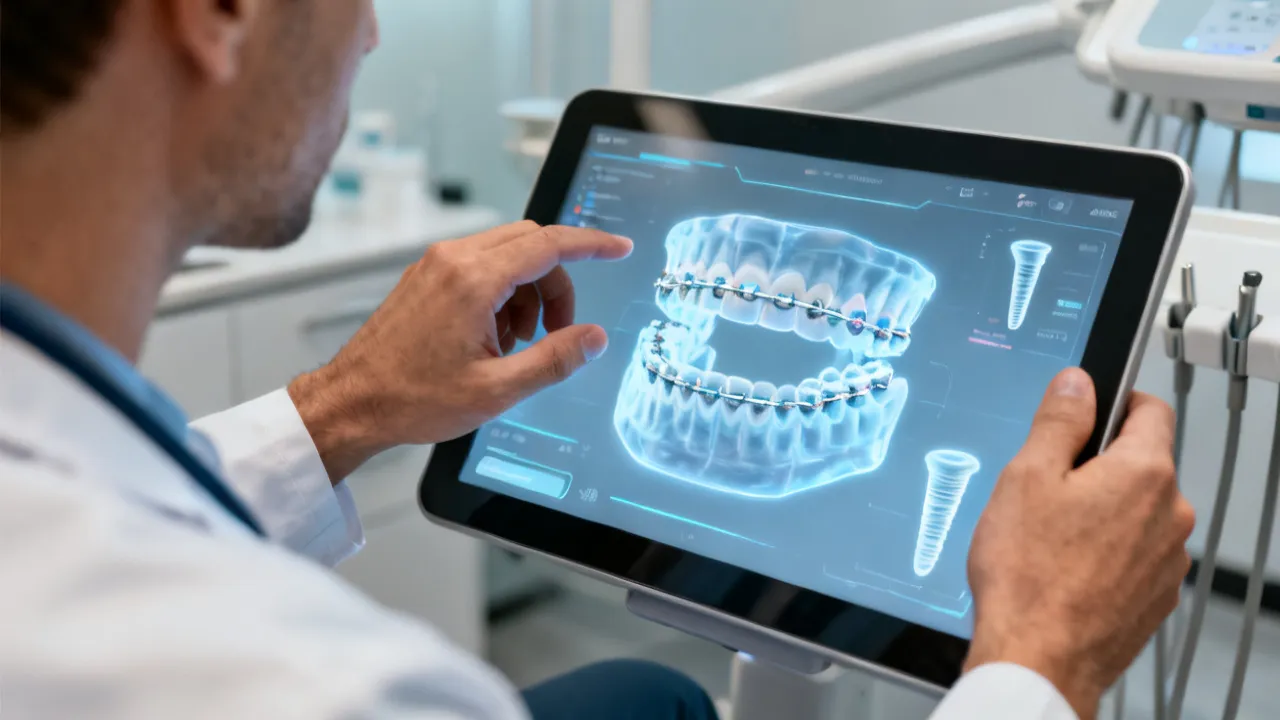
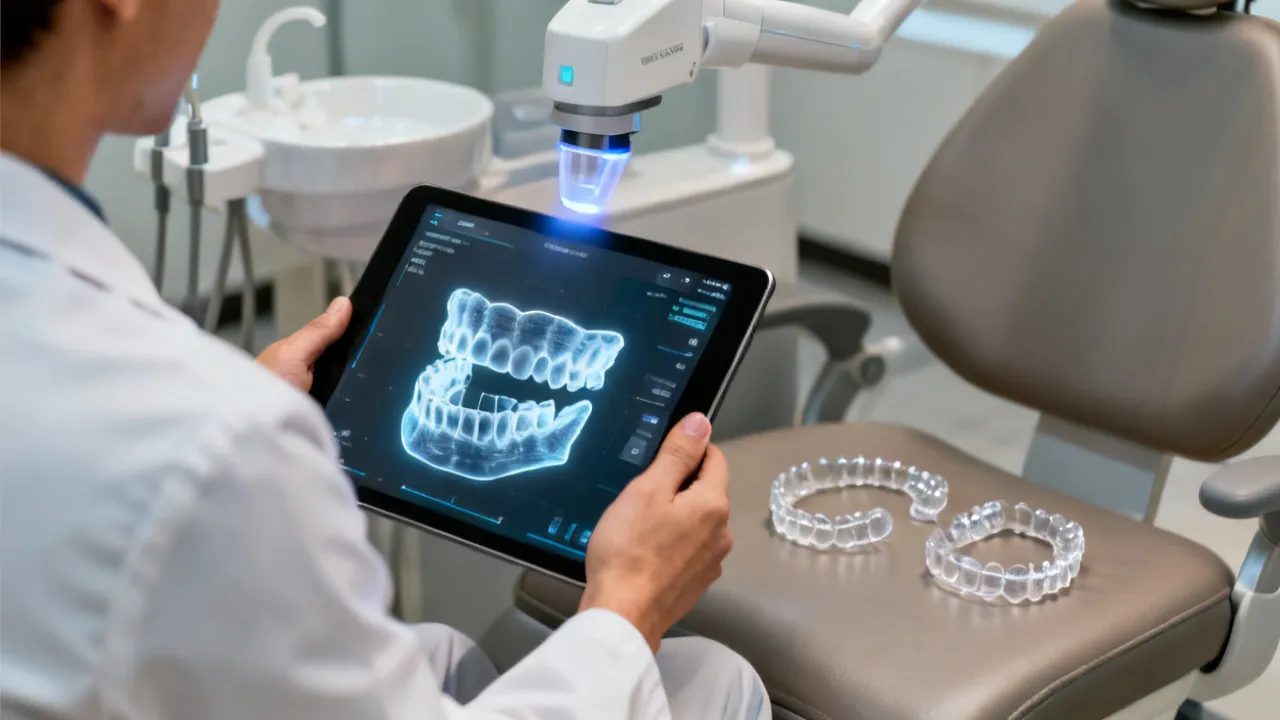
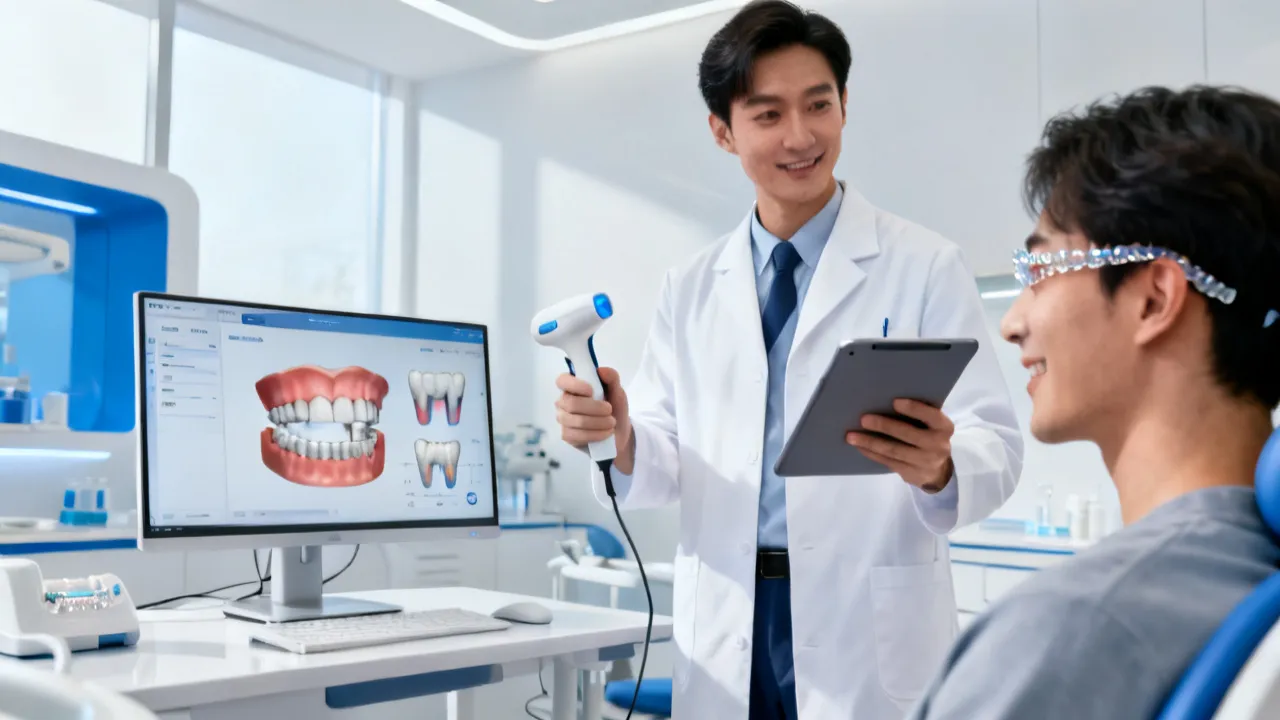
Digital Dentistry in Orthodontics is reshaping how clinicians plan and deliver braces, aligners, and implant-related care using 3D scanning, CAD/CAM design, and data-driven treatment pathways. This guide provides an objective overview of the technology, explains how low-cost implant options are researched in English-, Spanish-, and Portuguese-speaking markets, and summarizes typical cost ranges and practical steps.
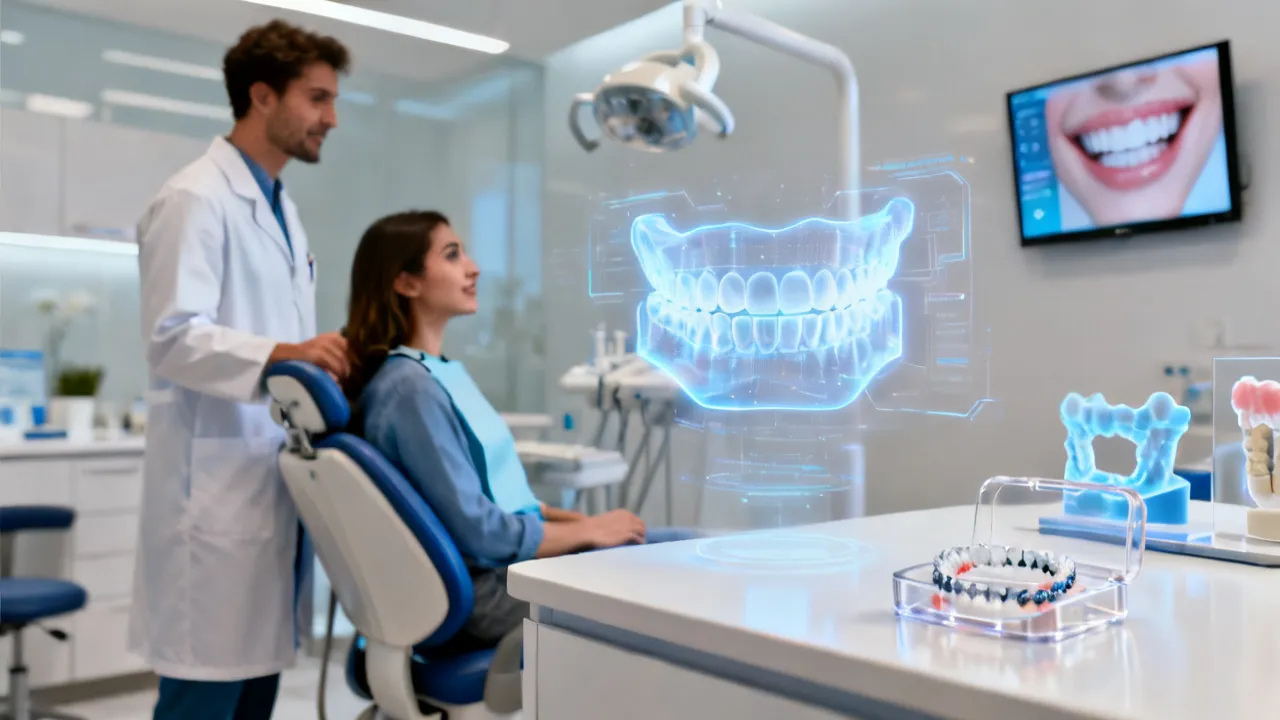
Digital Dentistry in Orthodontics is reshaping how clinicians plan, measure, and deliver orthodontic care with greater precision. This guide explains the core workflow—from intraoral scanning and 3D modeling to digital appliance design—while offering an expert view on benefits, risks, and practical cost considerations, including low-cost implant pathways and relevant regional price ranges.
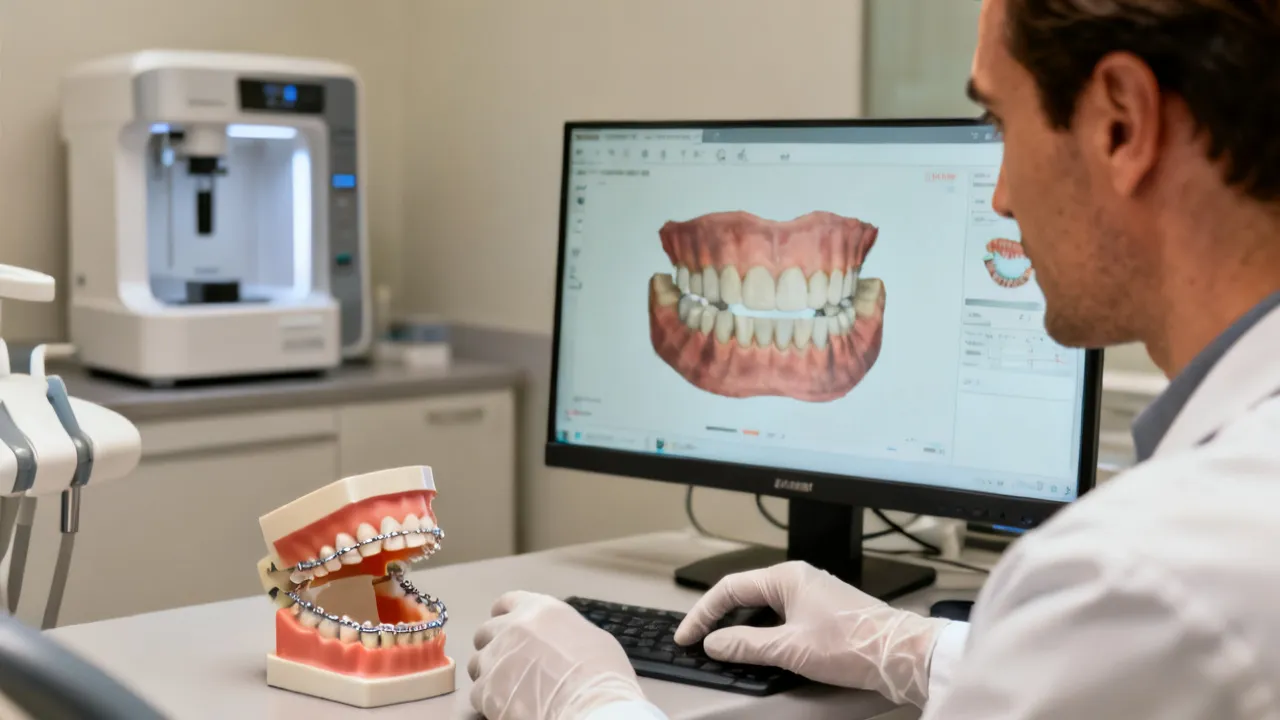
This guide explains Digital Dentistry in Orthodontics using objective, evidence-based concepts—from intraoral scanning to treatment planning and monitoring. It outlines how digital workflows support diagnosis, aligner/orthodontic design, and follow-up care, while also addressing practical cost considerations such as low-cost dental implants and dental tourism options. Background information is provided on why digital methods matter in modern orthodontics.
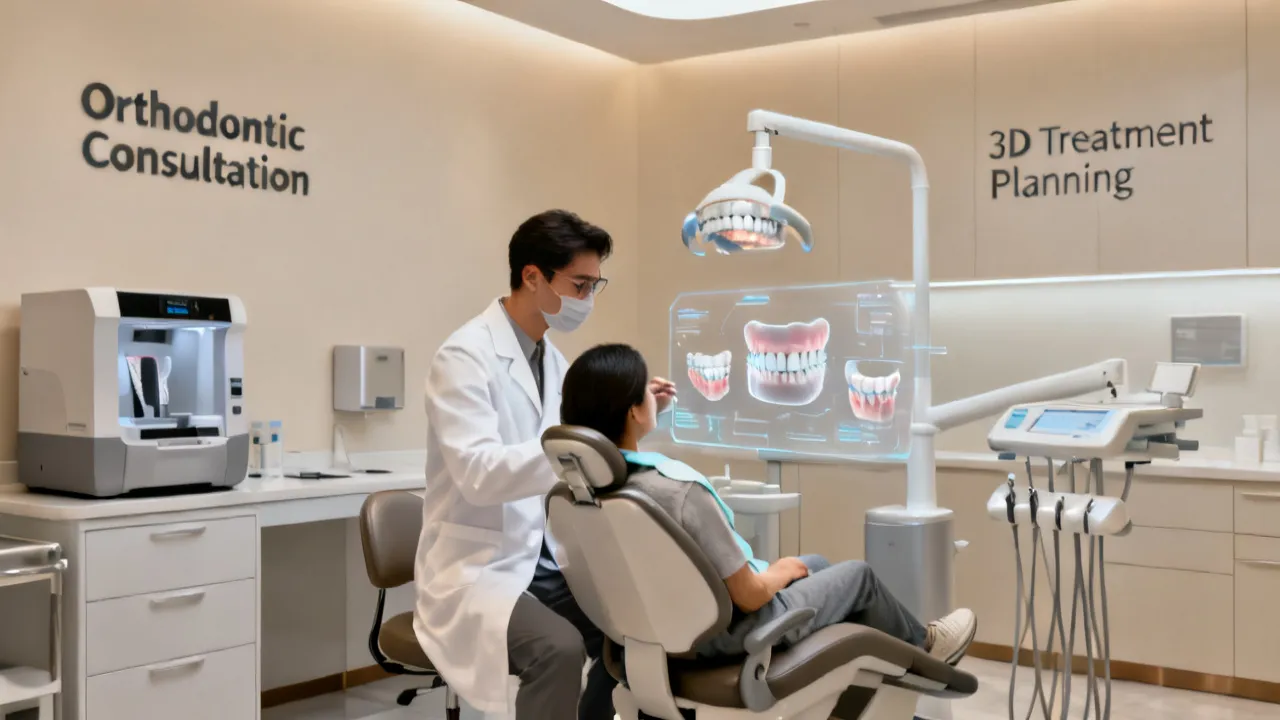
Digital Dentistry in Orthodontics is transforming how alignment plans are created, tracked, and adjusted using imaging and workflow software. This guide explains how digital planning affects clinical outcomes, what “low-cost” dental implant strategies look like across English-, Spanish-, and Portuguese-speaking markets, and how patients can evaluate affordability without sacrificing safety.
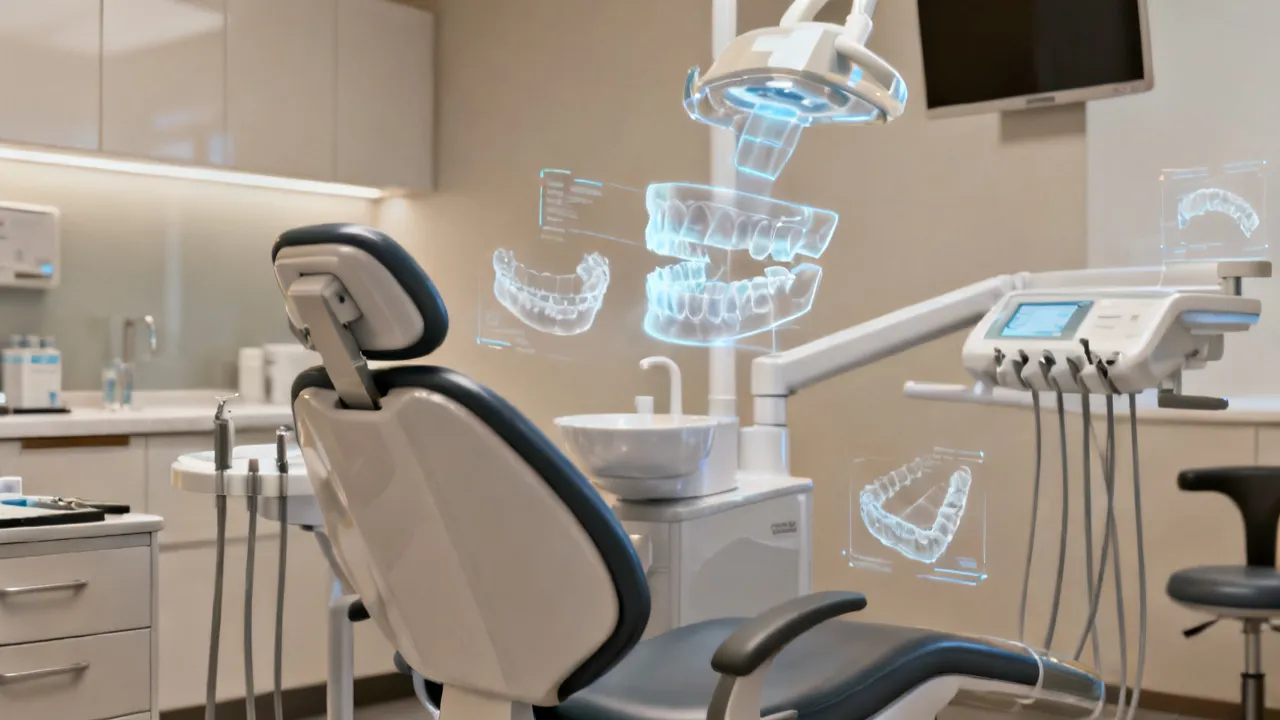
Digital Dentistry in Orthodontics is reshaping how malocclusions are planned and treated, using intraoral scanning, 3D imaging, and computer-guided workflows. This guide explains how “low-cost dental implants” strategies intersect with orthodontic planning, then outlines practical steps for implant access across English-, Spanish-, and Portuguese-speaking regions, including typical price-reference ranges.
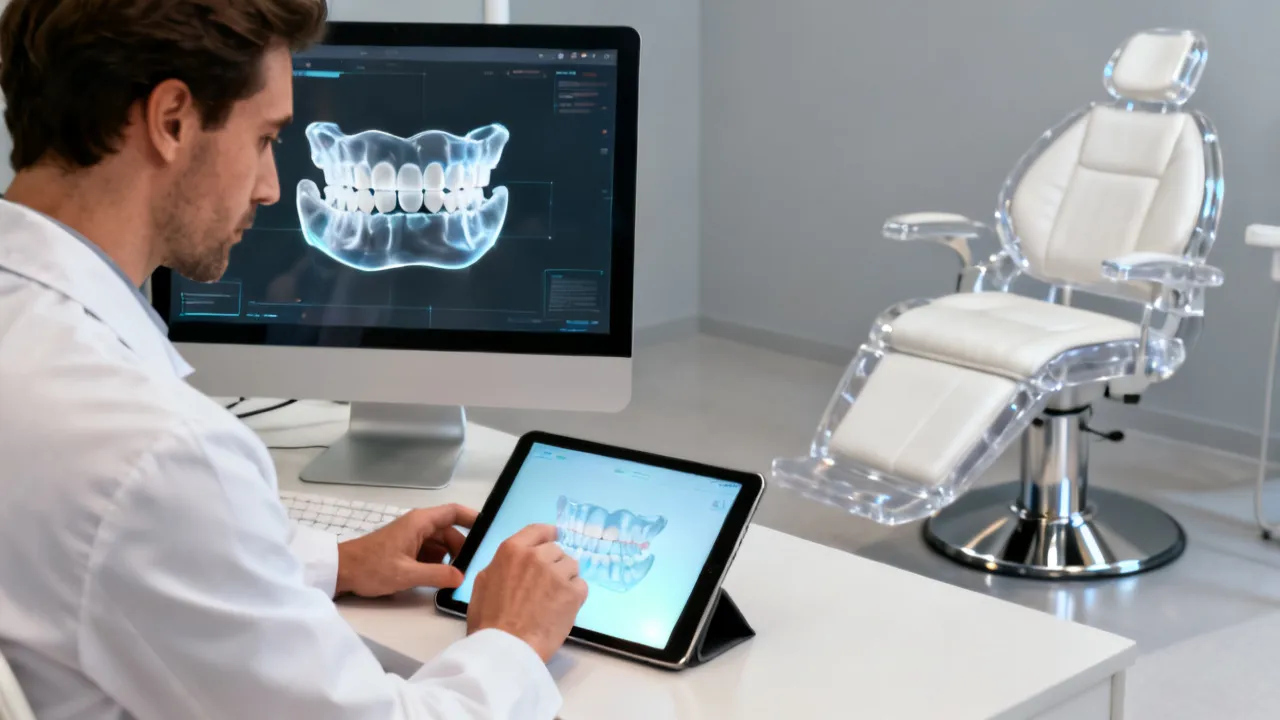
This guide explains how Digital Dentistry in Orthodontics is reshaping planning, alignment, and patient experience—especially when implant-related steps are involved. It provides objective background on digital workflows, outlines practical pathways for obtaining low-cost dental implants in English-, Spanish-, and Portuguese-speaking regions, and clarifies typical reference cost ranges, limitations, and decision factors.
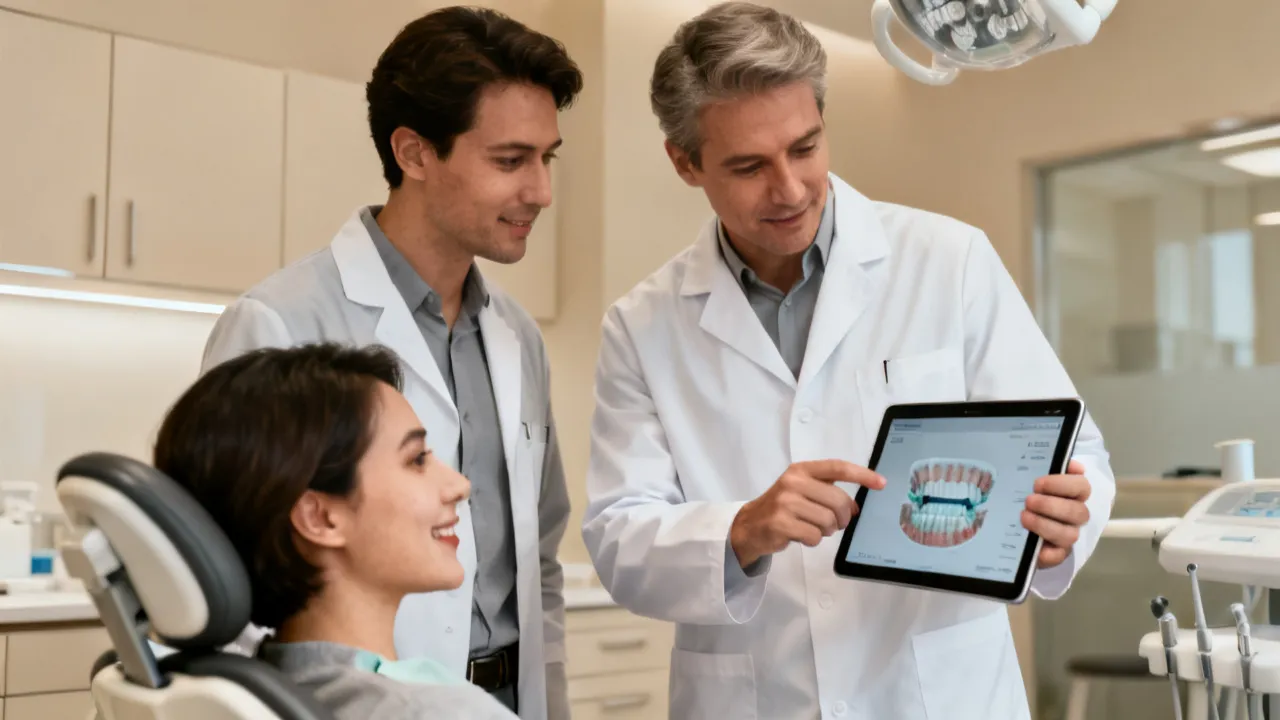
This guide explains how to choose an Orthodontist in My Area, with a focus on planning orthodontic and implant-adjacent care, evaluating costs, and comparing options through reputable information sources. It covers clinic selection criteria, the low-cost dental implant pathways seen internationally, and practical cost ranges by country—presented objectively for patient decision-making.
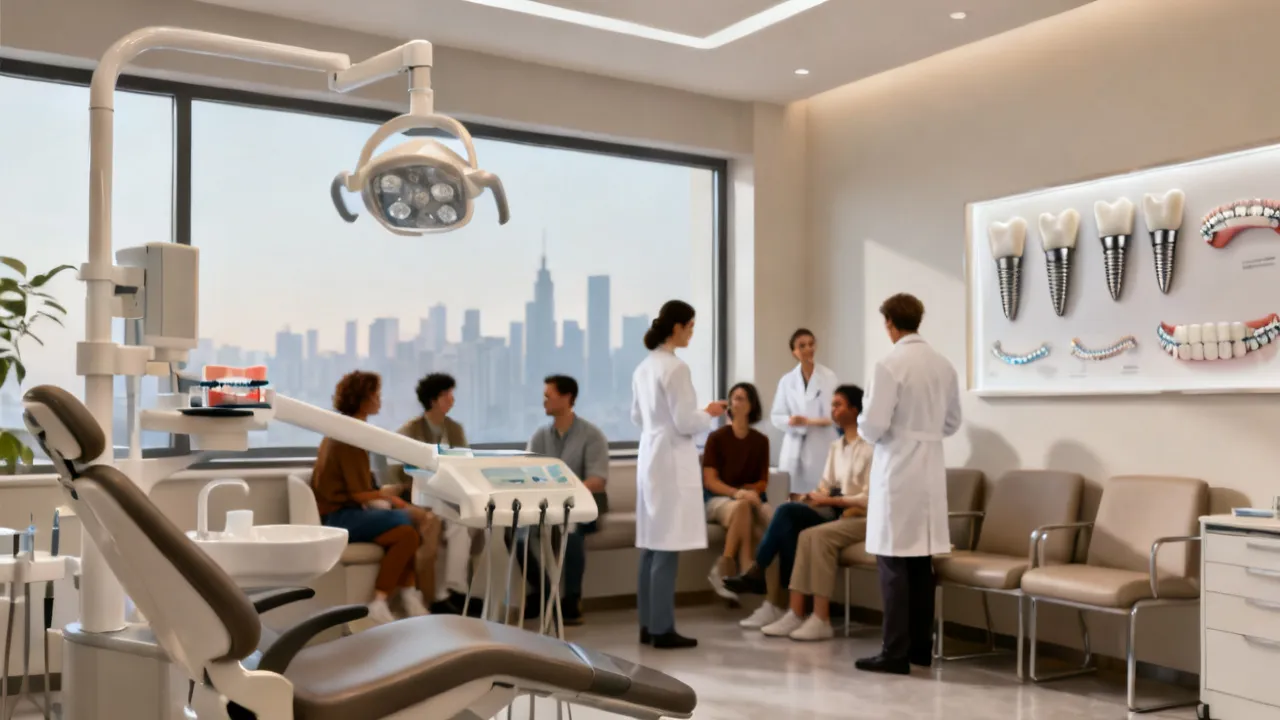
Choosing an Orthodontist in My Area is a practical step toward healthier alignment and good bite function. This guide explains how orthodontic care is assessed, what to expect from exams and treatment planning, and how patients can evaluate cost factors—especially when considering dental implants and implant-related insurance or low-cost options—using objective, source-based information.