## Introduction

Ozempic injections can be a powerful tool for achieving weight loss when combined with a healthy lifestyle.
Ozempic (semaglutide) is a medication primarily used to manage type 2 diabetes. Recent studies have shown that it can also be effective for weight loss. It mimics the hormone GLP-1, which regulates your appetite and blood sugar levels, making you feel fuller longer and reducing food intake.
Ozempic increases levels of GLP-1 in the body, a hormone that signals fullness to your brain. With higher levels of GLP-1, you'll naturally feel less hungry, making it easier to consume fewer calories.
Stable blood sugar levels are crucial for weight management. Ozempic helps stabilize your blood sugar, preventing spikes and crashes that can lead to cravings and overeating.
Ozempic slows down the rate at which your stomach empties, making you feel fuller for longer periods after meals. This can help you avoid snacking and overeating.
Before starting Ozempic injections, consult your healthcare provider to ensure it is the right choice for you. Discuss your health history, current medications, and any concerns you may have.
Follow your doctor's instructions on the correct dosage. Typically, the starting dose is small and gradually increased. Ozempic is administered once a week, ideally on the same day each week. You can inject Ozempic into the abdomen, thigh, or upper arm.
Keep Ozempic refrigerated at a temperature between 36°F and 46°F (2°C to 8°C) until you are ready to use it. Once opened, it can be stored at room temperature (up to 86°F or 30°C) for up to four weeks.
Ozempic injections work top when paired with a balanced, low-calorie diet. Focus on consuming whole foods, such as fruits, vegetables, lean proteins, and whole grains. Avoid processed foods and sugary drinks.
Incorporate regular exercise into your routine. Aim for at least 150 minutes of moderate-intensity aerobic activity per week, along with muscle-strengthening activities on at least two days.
Drinking enough water is essential for overall health and can support weight loss efforts. Aim for at least 8 glasses a day, and more if you are exercising.
Keep track of your weight loss journey by recording your weight, diet, and physical activity. This can help you stay motivated and identify any areas where you might need to make adjustments.
Weight loss is a gradual process, and results may take time. Remain patient and consistent with your injections, diet, and exercise routine.
Some people may experience mild side effects, such as nausea, vomiting, diarrhea, or constipation. These often subside after the first few weeks as your body adjusts to the medication.
Though rare, serious side effects can occur. These may include pancreatitis, kidney problems, or severe allergic reactions. Contact your healthcare provider immediately if you experience severe abdominal pain, signs of dehydration, or allergic symptoms like rash, swelling, or difficulty breathing.
To minimize nausea, eat smaller, more frequent meals instead of large meals. Avoid greasy or spicy foods, and consider taking the injection before bedtime so that you sleep through any initial discomfort.
Schedule regular check-ups with your healthcare provider to monitor your progress and make any necessary adjustments to your treatment plan.
To maintain weight loss, continue with the healthy habits you've developed while on Ozempic. A balanced diet and regular exercise are key to sustaining your results.
Ozempic injections can be an effective aid in your weight loss journey when combined with a healthy diet and regular exercise. Always consult with your healthcare provider before starting any new medication to ensure it's the right choice for your needs. By following these tips and staying committed, you can achieve and maintain your weight loss goals successfully.






This guide explains what Mount Sinai Gpr represents in research and how institutions evaluate it for real-world use. Background concepts, typical workflows, and decision criteria are covered objectively. You’ll also find a comparison table, sourcing approach, and requirements checklist to help teams plan compliant procurement and implementation in clinical or lab environments, without relying on unsupported claims.

Mount Sinai GPR services are explored through an objective lens for stakeholders evaluating diagnostic capability, workflow fit, and vendor options. This guide outlines what “Mount Sinai Gpr” commonly refers to in medical imaging contexts, explains selection criteria and compliance expectations, and provides decision-focused FAQs, including how to structure requirements for consistent results.
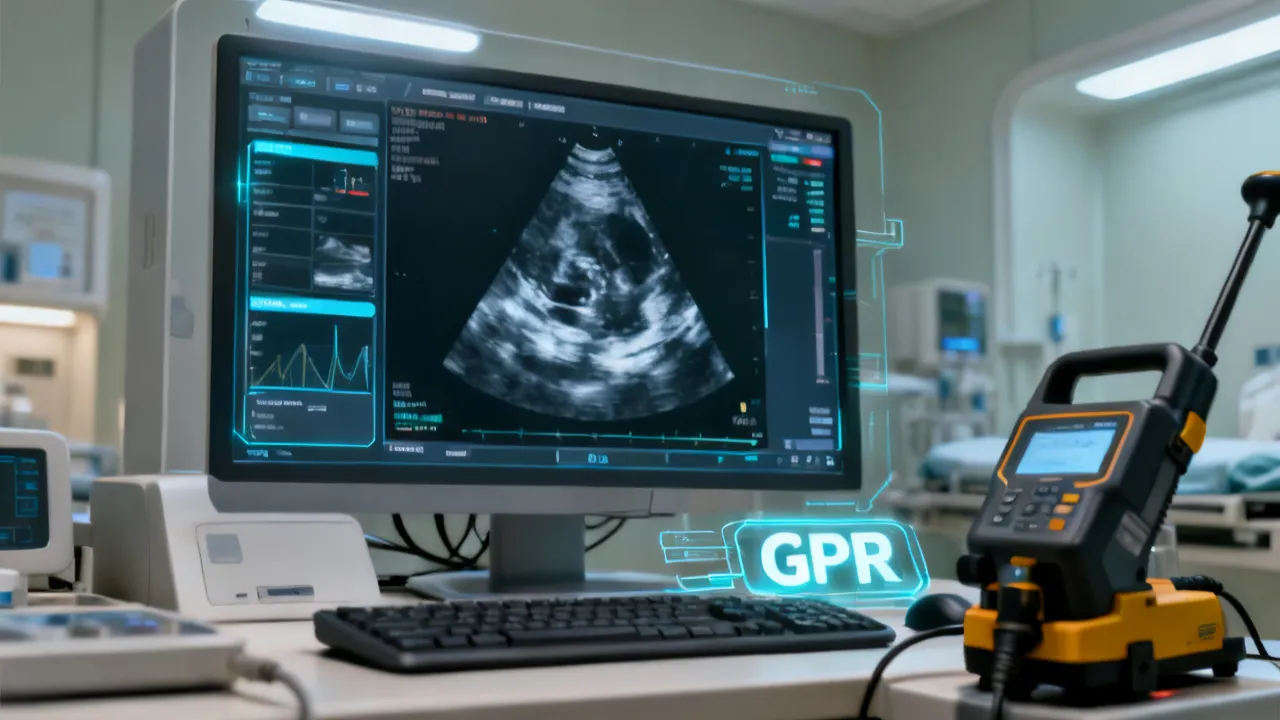
Mount Sinai GPR is a specialized approach to ground-penetrating radar used for assessing underground conditions with careful planning and documentation. This guide explains what “GPR” typically involves, how Mount Sinai–related sourcing or protocols affect procurement choices, and what buyers should verify for safety, calibration, and reporting quality—keeping the decision process practical and audit-ready.

This guide explains Mount Sinai GPR in a practical, evidence-minded way for teams evaluating how ground-penetrating radar approaches subsurface questions. It outlines what “GPR” typically measures, how providers assess site conditions, and what buyers should compare when requesting quotes, including common supplier and location considerations.
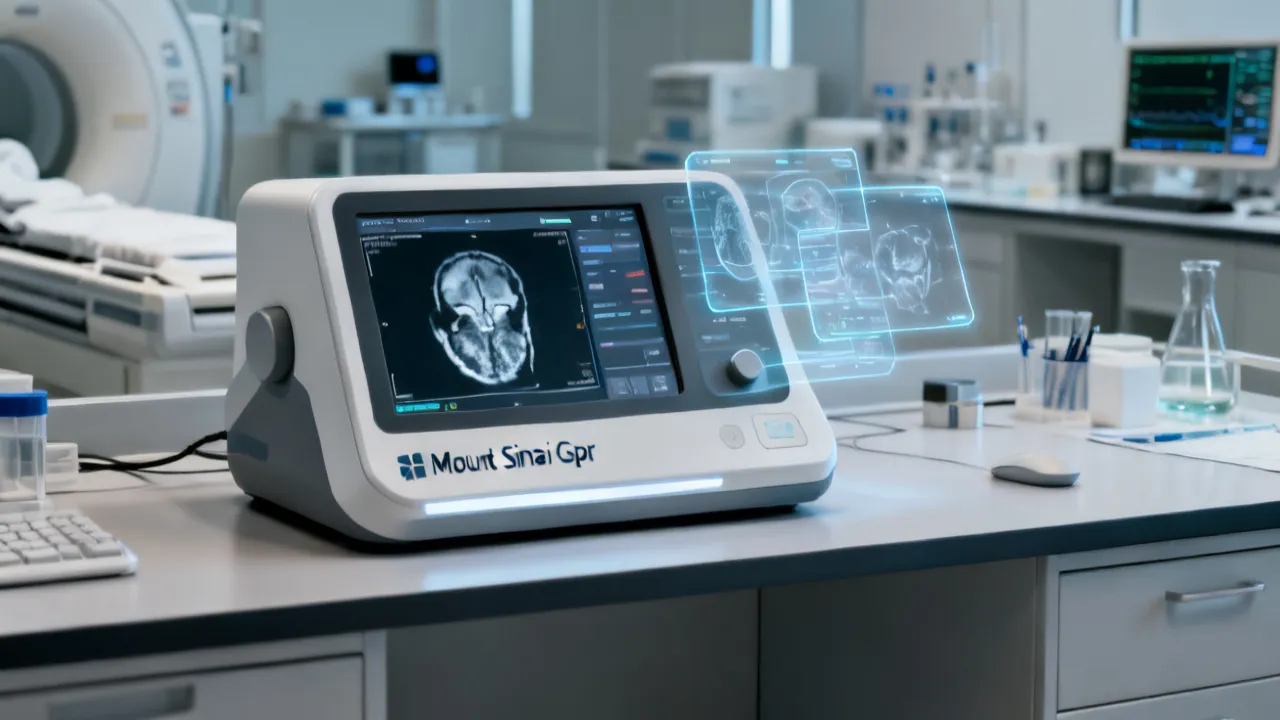
This guide explains Mount Sinai Gpr technology, what it measures, typical supplier considerations, and how to evaluate equipment specifications. Objectively, GPR methods are used for non-invasive subsurface assessment, and “Mount Sinai Gpr” is commonly referenced as a branded or institutional configuration used in select research and clinical workflows. Readers will learn decision criteria, practical requirements, and review checklists to compare options reliably.
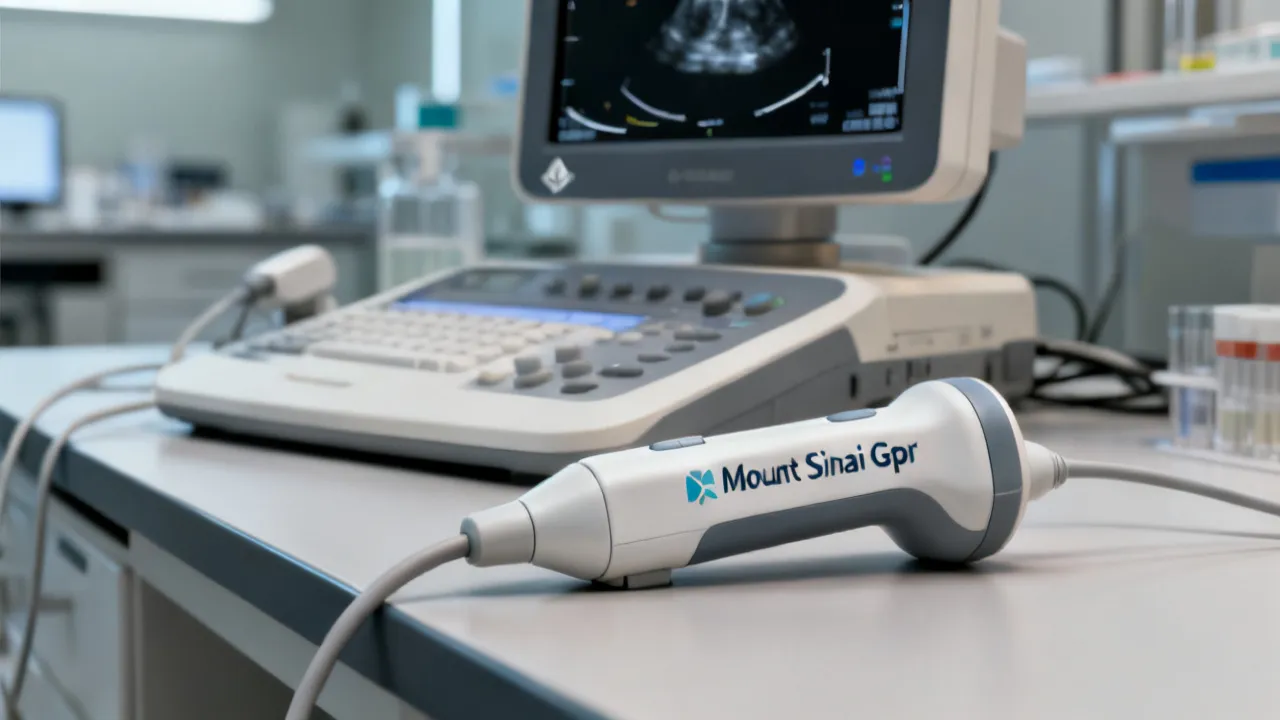
This guide explains Mount Sinai Gpr in an objective, procurement-focused way, covering what GPR equipment does, how to evaluate suppliers, and how to plan deployment. It also compares sourcing pathways, outlines step-by-step qualification conditions, and addresses common questions from technical and operations teams. Background context clarifies how GPR differs by antenna, workflow, and site requirements.

This guide explains how Mount Sinai Gpr solutions are evaluated and sourced for reliable performance. It provides objective background on GPR technology, how “Mount Sinai” naming is typically used in clinical and research contexts, and what buyers should verify. Readers will also find a supplemental comparison table, procurement steps, and clear requirements.

This guide explains Mount Sinai GPR—what it is, why it matters, and how to evaluate related solutions responsibly. It offers objective background on terms tied to GPR in clinical research contexts, outlines practical selection criteria for data quality and supplier capability, and presents conditions/requirements plus FAQs to help you compare options without assumptions.

