Unlock the secrets to glowing skin with Hydrafacial, effective skincare routines, and targeted treatments that promise visible results and boost your confidence.

A Hydrafacial is a non-invasive, multi-step facial treatment designed to rejuvenate and brighten the skin. It combines cleansing, exfoliation, extraction, hydration, and antioxidant protection, resulting in clearer, vibrant skin.
Hydrafacials offer a myriad of benefits including deep cleansing, improved hydration, and reduced signs of aging like fine lines and wrinkles. Additionally, they can help with hyperpigmentation and even skin tone.
For optimal results, it's recommended to get a Hydrafacial once a month. However, the frequency can be adjusted based on your skin type and specific needs.
A proper skincare routine serves as the foundation for healthy, radiant skin. Here’s a basic yet effective routine you can follow:
Be mindful of the ingredients in your skincare products. Look for:
Avoid these common pitfalls to get the very out of your skincare routine:
Microneedling involves using fine needles to create micro-injuries on the skin, stimulating collagen and elastin production. It's beneficial for reducing scars, stretch marks, and improving overall skin texture.
Post-treatment, expect some redness akin to a sunburn, which usually subsides within a couple of days. Multiple sessions are generally needed for top results.
Chemical peels use acid solutions to exfoliate the top layers of the skin. They come in varying strengths, each designed to target different skin concerns from acne to pigmentation and aging.
Post-peel, your skin will be sensitive. Avoid sun exposure, use gentle skincare products, and apply a rich moisturizer to aid in the healing process.
Laser treatments can address various skin issues like pigmentation, wrinkles, and acne scars. They work by emitting a concentrated beam of light that targets specific skin concerns without damaging surrounding tissue.
While laser treatments offer significant results, they can be pricey and require downtime for recovery. Consultation with a dermatologist is imperative to determine the appropriate treatment for your skin type and issues.
Achieving flawless skin involves a combination of professional treatments like Hydrafacial, adopting a solid skincare routine, and selecting targeted treatments based on your skin needs. Consistency and patience are key to seeing good benefits. Always consult a skincare professional to tailor treatments and routines specific to your skin type and concerns. Here’s to achieving that radiant, healthy glow!






This guide explains what Mount Sinai Gpr represents in research and how institutions evaluate it for real-world use. Background concepts, typical workflows, and decision criteria are covered objectively. You’ll also find a comparison table, sourcing approach, and requirements checklist to help teams plan compliant procurement and implementation in clinical or lab environments, without relying on unsupported claims.
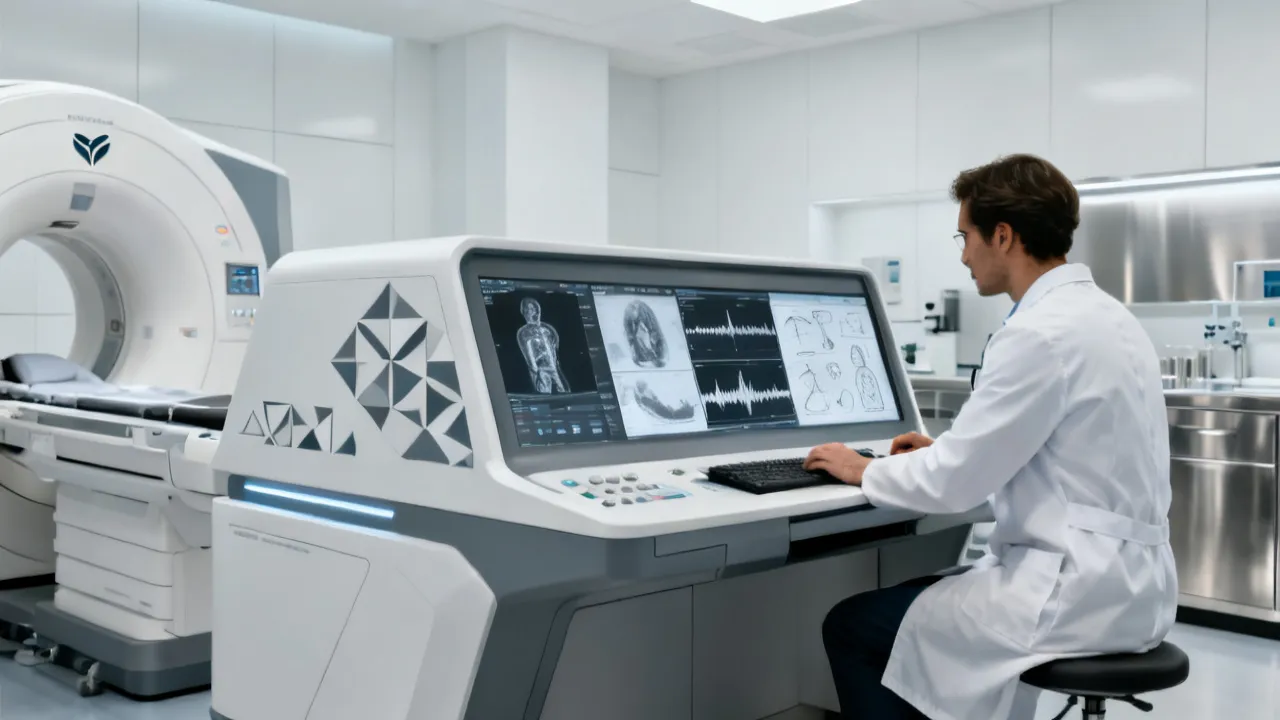
Mount Sinai GPR services are explored through an objective lens for stakeholders evaluating diagnostic capability, workflow fit, and vendor options. This guide outlines what “Mount Sinai Gpr” commonly refers to in medical imaging contexts, explains selection criteria and compliance expectations, and provides decision-focused FAQs, including how to structure requirements for consistent results.
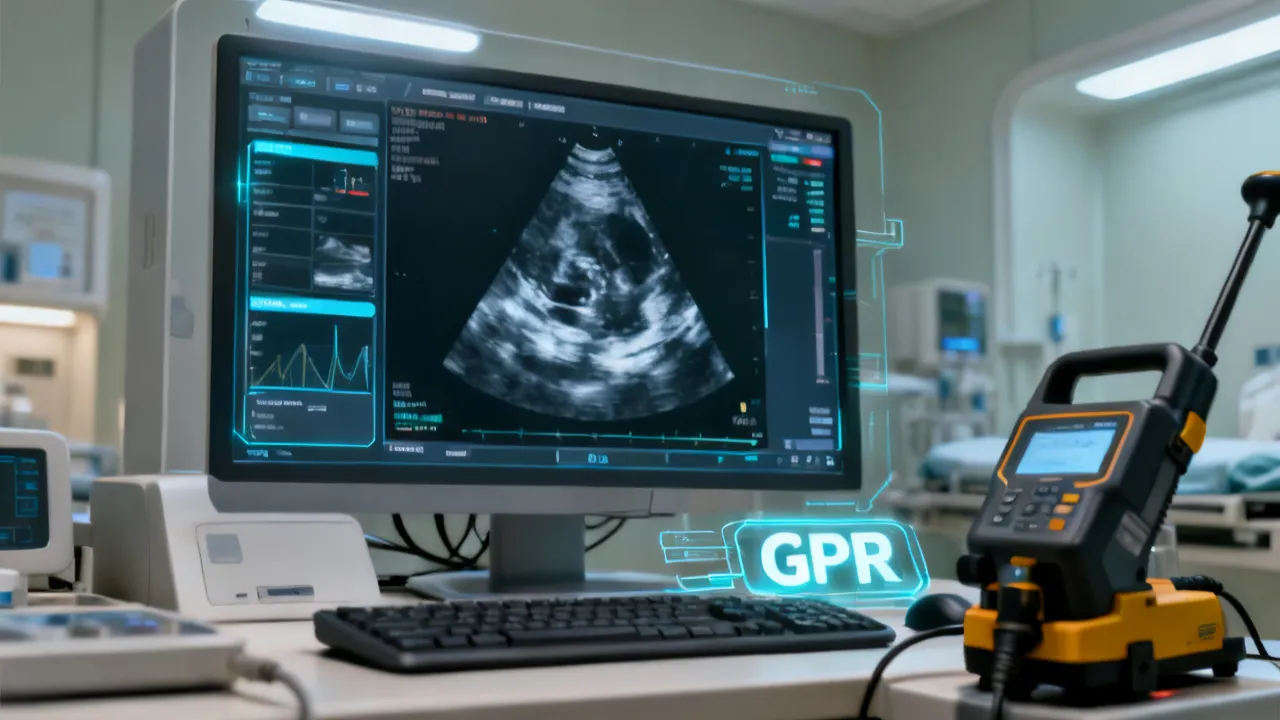
Mount Sinai GPR is a specialized approach to ground-penetrating radar used for assessing underground conditions with careful planning and documentation. This guide explains what “GPR” typically involves, how Mount Sinai–related sourcing or protocols affect procurement choices, and what buyers should verify for safety, calibration, and reporting quality—keeping the decision process practical and audit-ready.
This guide explains Mount Sinai GPR in a practical, evidence-minded way for teams evaluating how ground-penetrating radar approaches subsurface questions. It outlines what “GPR” typically measures, how providers assess site conditions, and what buyers should compare when requesting quotes, including common supplier and location considerations.
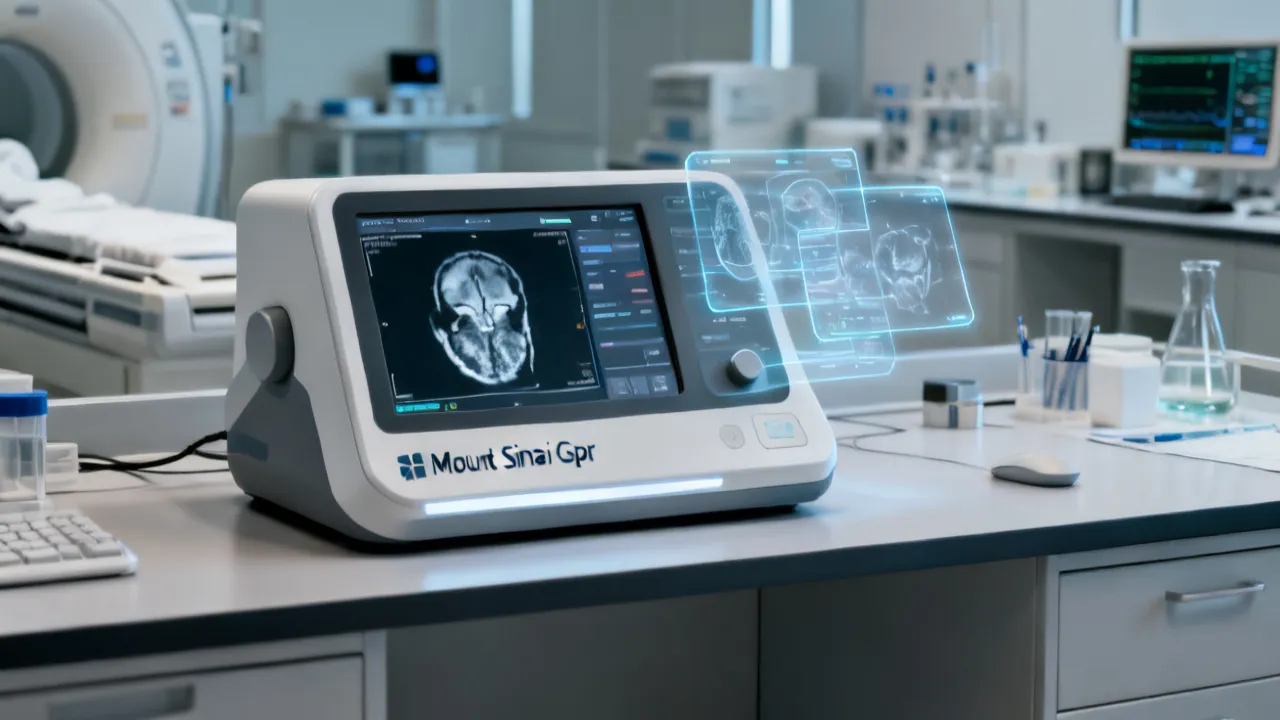
This guide explains Mount Sinai Gpr technology, what it measures, typical supplier considerations, and how to evaluate equipment specifications. Objectively, GPR methods are used for non-invasive subsurface assessment, and “Mount Sinai Gpr” is commonly referenced as a branded or institutional configuration used in select research and clinical workflows. Readers will learn decision criteria, practical requirements, and review checklists to compare options reliably.
This guide explains Mount Sinai Gpr in an objective, procurement-focused way, covering what GPR equipment does, how to evaluate suppliers, and how to plan deployment. It also compares sourcing pathways, outlines step-by-step qualification conditions, and addresses common questions from technical and operations teams. Background context clarifies how GPR differs by antenna, workflow, and site requirements.
This guide explains how Mount Sinai Gpr solutions are evaluated and sourced for reliable performance. It provides objective background on GPR technology, how “Mount Sinai” naming is typically used in clinical and research contexts, and what buyers should verify. Readers will also find a supplemental comparison table, procurement steps, and clear requirements.

This guide explains Mount Sinai GPR—what it is, why it matters, and how to evaluate related solutions responsibly. It offers objective background on terms tied to GPR in clinical research contexts, outlines practical selection criteria for data quality and supplier capability, and presents conditions/requirements plus FAQs to help you compare options without assumptions.

